
Originally published on October 18, 2026 | Last updated on November 3, 2026
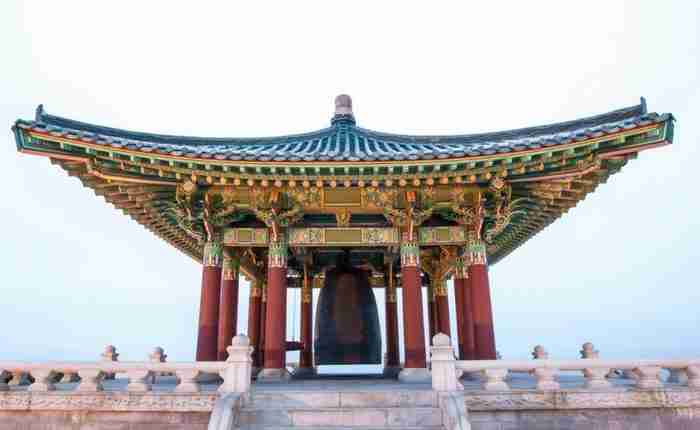
France–South Korea Relations at 140: Why South Korea Is Attracting French Travelers: From K-Culture to Gyeongju’s Buddhist Heritage. As France and South Korea celebrate 140 years of diplomatic relations in 2026, their cultural ties are flourishing. From K-pop and Korean dramas to Buddhist temple stays, traditional cuisine, and historic Gyeongju, South Korea is attracting growing numbers of French travelers eager to discover its rich heritage and modern lifestyle beyond Seoul.
France-Korean Relations on the 140th Anniversary of Their Diplomatic Relations. By Hal Swindall
Back in 2016, I published an article on the sesquicentennial of France’s 1866 expeditionary force to Korea in retaliation for the slaughter of its Jesuit missionaries. At the time, this event had served as a major reason the Hermit Kingdom remained hermetic. Yet so much happened in the next decades that Korea reluctantly opened to Westerners of various professions, and in 1886 France and Korea established diplomatic relations, an event much celebrated on the French embassy’s website and the Korean press, with Joongang Daily publishing a lengthy English piece on events for this year. All this makes 2026 an excellent moment to look back on the deepening of France’s and Korea’s mutual connections during the first quarter of this century.
Why South Korea Is Becoming a Popular Destination for French Travelers
French interest in Korea has grown since 2000, mainly due to the eponymous K-Wave. According to the French website Air Journal, 2025 was a record-smashing tourism year for South Korea, with up to 18.9 million foreign visitors, among whom some 100,000 were French. This might seem like a drop in the bucket compared to America’s millions, but France has a smaller population and its people are attracted by Korean gastronomy and lifestyle, especially its well-being philosophy, as well as globally catchy trends like K-Pop and K-Dramas.
More French are living in Korea now, making them the largest group among Europeans residing on the peninsula, according to Air Journal. The French embassy in Seoul has some informative key figures on this phenomenon. It claims that 137,414 French people passed through Korea in 2025, and also that 6,198 French citizens were residing in Korea the same year, a 54% jump from a decade earlier. Most tellingly, perhaps, is that their mean age is 30.
Just in September, another French news website reports that it is easier now for French to visit and reside in Korea, where they are attracted by K-Culture and a desire to explore beyond Seoul.
Why Young French Travelers Are Discovering South Korea
The surge in Korea’s popularity among French youth is well-established. One pre-COVID example is a 2019 Korea Times article reporting a Hallyu tour aimed at French Gen Z, with the number of French visitors to Korea increasing over the previous ten years, especially among youth.
More recently, an academic study published by Asian Communication Research in 2025 by a French researcher on “kkukpong,” or rap-style outpourings of strong national pride, finds that they are being produced by young French influencers residing in Korea who favorably compare the country’s safety and convenience to France’s.
Discover Korean Culture and Historic Attractions in Gyeongju, South Korea Beyond Seoul
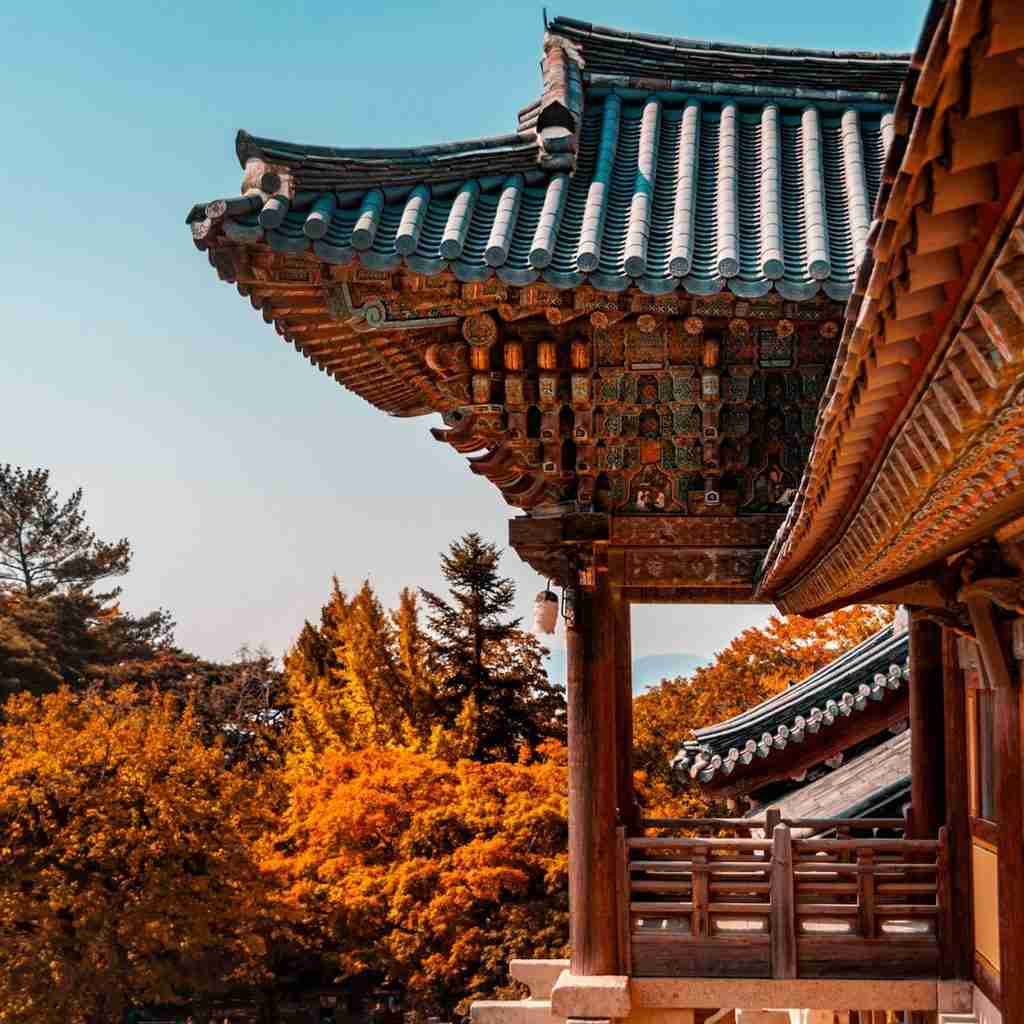
French are drawn not only by K-Wave, but also by K-Culture, a broader category than pop music and soap operas. A major feature of K-Culture, possibly the most important for the French, is Korea’s Seon Buddhism. Two excellent observers of this are Clint Kwon and his sister Izo in Gyeongju, the capital of the ancient Shilla kingdom and known as the “museum without walls” because its attractions are scattered over a wide area in the southeastern part of the country. Gyeongju’s status as Korea’s premier historic site arguably makes it the perfect locale for exploring Korea outside of Seoul.
Clint Kwon is the proprietor of Gyeongju’s famed Hanjin Hostel, a backpacker accommodation founded by his father in 1977. The building is now showing its age, and Clint plans to close it and retire soon, but he notices that more and more French are electing to stay at his establishment.
Korean Beauty, Cuisine, and Lifestyle Experiences
It is his sister, Izo Kwon, who spent 25 years in Paris as an architecture journalist and now leads French tour groups around the city, who has the most to say, however. Izo says many French women fell in love with Korean dramas during COVID confinement and now want to see the land they came from. In addition, they are attracted to Korean cosmetics and skin care products, plus French people of both sexes admire Korean cinema and, naturally, cuisine. For all these reasons and more, Korea is in vogue among much of the French population these days.
Buddhist Temple Stays and Wellness Tourism in South Korea
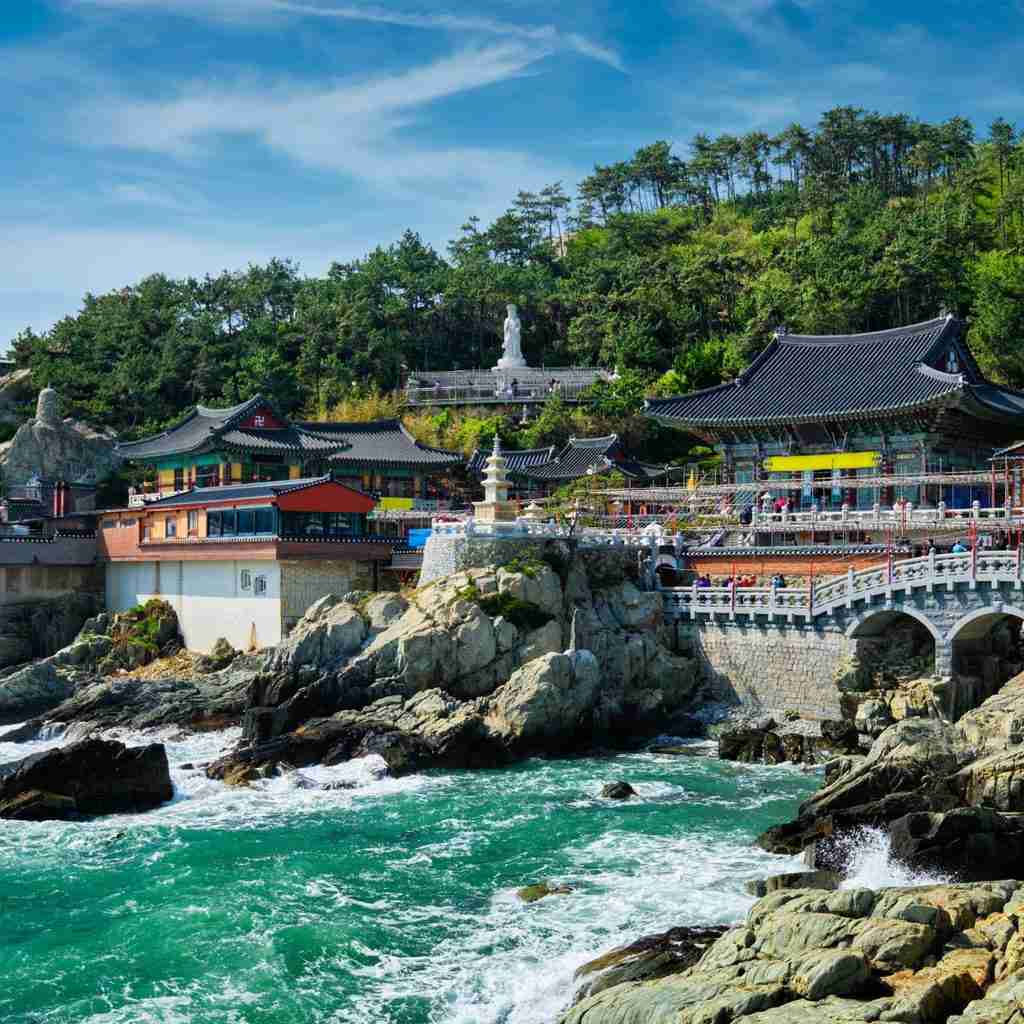
In particular, the French tourists who Izo handles find Buddhism relaxing and healthy, relieving their psychological stress. Therefore, they enjoy Korea’s celebrated temple stay programs where visitors can live like monastics for a weekend or longer. Among Gyeongju’s many temples, Izo says Gogulsa’s temple stay is a favorite among young French, especially for its “seonmudo” martial art.
Exploring Gyeongju National Park and Namsan Mountain
Another Gyeongju spot that French find pleasing is Namsan, the famous mountain in Gyeongju National Park south of downtown.
Izo claims the French she guides find it peaceful and scenic, a place of calm.
A living example of these trends is Lea, a young Frenchwoman married to a Korean man. They have two little daughters who Lea cares for while working as an English teacher and trying to earn an official Korean school certificate so she can avoid bureaucratic hassles at work.
Korean Seon Meditation and Mindfulness for International Visitors
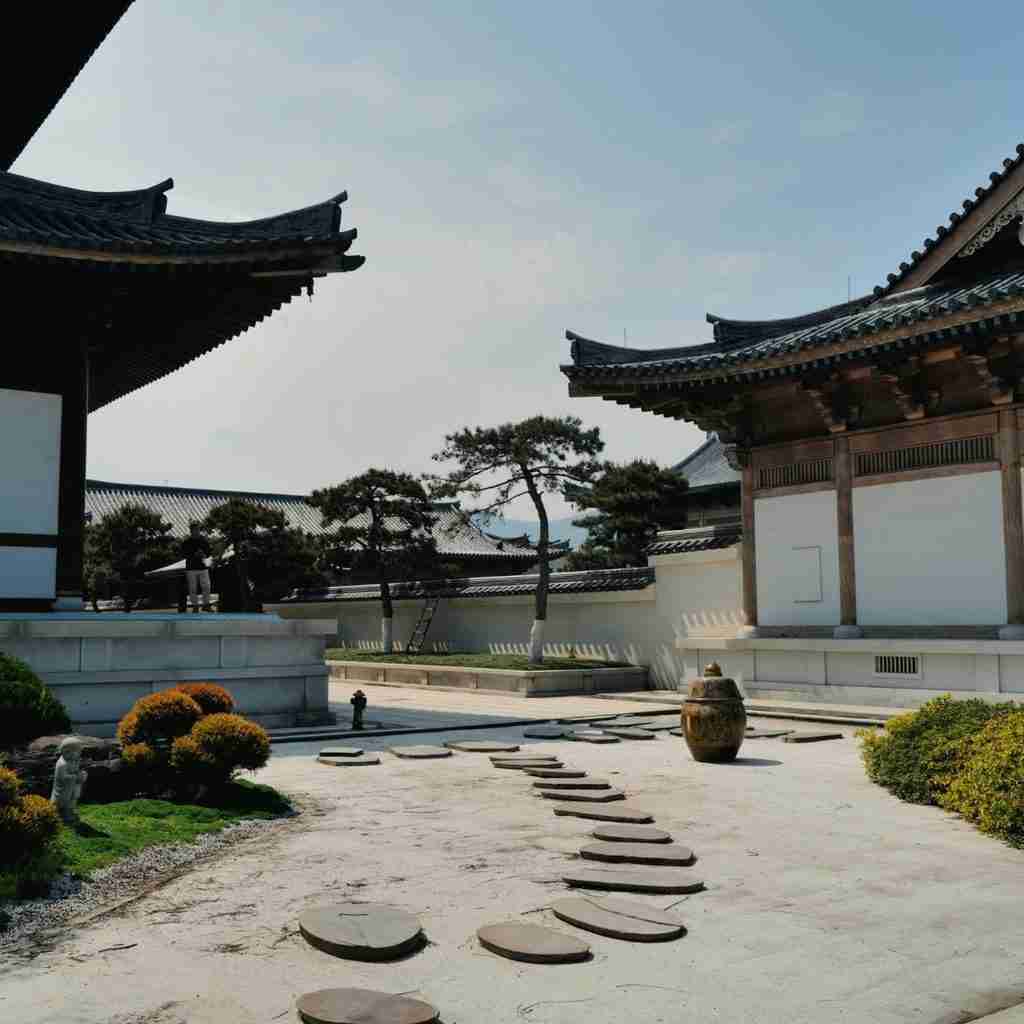
Another thing Lea does is practice Korean-style meditation with other foreigners under the direction of a woman calling herself Reverend Genie. She expresses surprise that so many foreigners sign up for her meditation classes, but she is also aware that Buddhism, including the Korean variety, is gaining interest worldwide, with many foreign residents on the peninsula exploring it. Seon meditation promotes mindfulness and well-being, after all. These two women are an example of a growing tendency, especially with Korean Buddhism trying to expand abroad, including in France.
Korean Literature and Cultural Exchange Between France and South Korea
As for Korean inroads into France itself, one example is Jean-Claude de Crescenzo, founder of Korean Studies at Aix-Marseille University and of the Asian literature publisher De Crescenzo Éditeurs, besides serving as editor of the journal Keulmadang, a review of Korean literature.
As if all that were not enough, De Crescenzo has a Korean wife named Kim Hye-gyeong, who is a professor of Korean and Director of the Institute of Asiatic Research at Aix-Marseille University. His websites are in French, but an English abstract of one of his lectures expresses his idea that in the late twentieth century, Korean literature was marked by the figure of “the enemy,” be it the Japanese occupiers or the challenges of development after WWII. In this century, by contrast, de Crescenzo finds Korean literature characterized by the feel-good, healing, and romance themes, which he attributes to a public need for wellness in a world that is ever more difficult to live in.
France–South Korea Relations: The Future of South Korea Tourism and Franco-Korean Cultural Connections
Whether K-Pop or K-Culture can provide relief to the anxiety many French people feel today remains an open question, but it is certain that many of them find Korean culture in some or all of its forms worth exploring. For a long time after 2026, this will be a development worth following.
🤍 A Little Creator Recommendation
If you love creating travel content like I do, you'll enjoy Travelpayouts. It's free to join, easy to use, and a lovely way to earn from sharing the adventures you already inspire.
✈️ Join Travelpayouts♡ This is an affiliate link, which means I may earn a small commission at no extra cost to you. Thank you for supporting my journey!
Feature Your Travel Brand
Next to premium hotels, cruise lines, and tour operators, through editorial stories.
Apply for FeatureCategories: Destinations & Journeys • Culinary Travel • Culture & Heritage • Stays & Hospitality • Lifestyle & Fashion
Accepted based on editorial fit & availability.
